Toronto’s Snow Parking Infractions: A $2 Million Cost
In January, as Toronto faced a series of intense snowstorms, the city’s streets became a battleground between winter’s fury and municipal regulations. Between January 15th and January 30th, officials reported that over 21,000 tickets were issued to drivers who unlawfully parked on designated snow routes. The total fines accumulated during this period exceeded $2 million, and this figure does not account for the last 10 days of the month, suggesting the true financial impact of these violations may be even more substantial.
Parking on snow routes is a critical issue for urban management, particularly during significant snowfall. These routes are established to facilitate efficient snow plowing and removal, ensuring that essential traffic arteries remain clear and navigable. The city recognized the need for strict enforcement of parking regulations in these areas. Officers from the Toronto police issued tickets underlining the necessity of compliance and the importance of public safety.
The fines for these infractions can reach up to $500, a substantial amount aimed at deterring careless parking behaviors. Adding to the financial penalties, non-compliant vehicles may also incur towing expenses, which ultimately increases the burden on the offender. This dual approach—of both fines and towing—is designed to maximize adherence to snow route regulations.
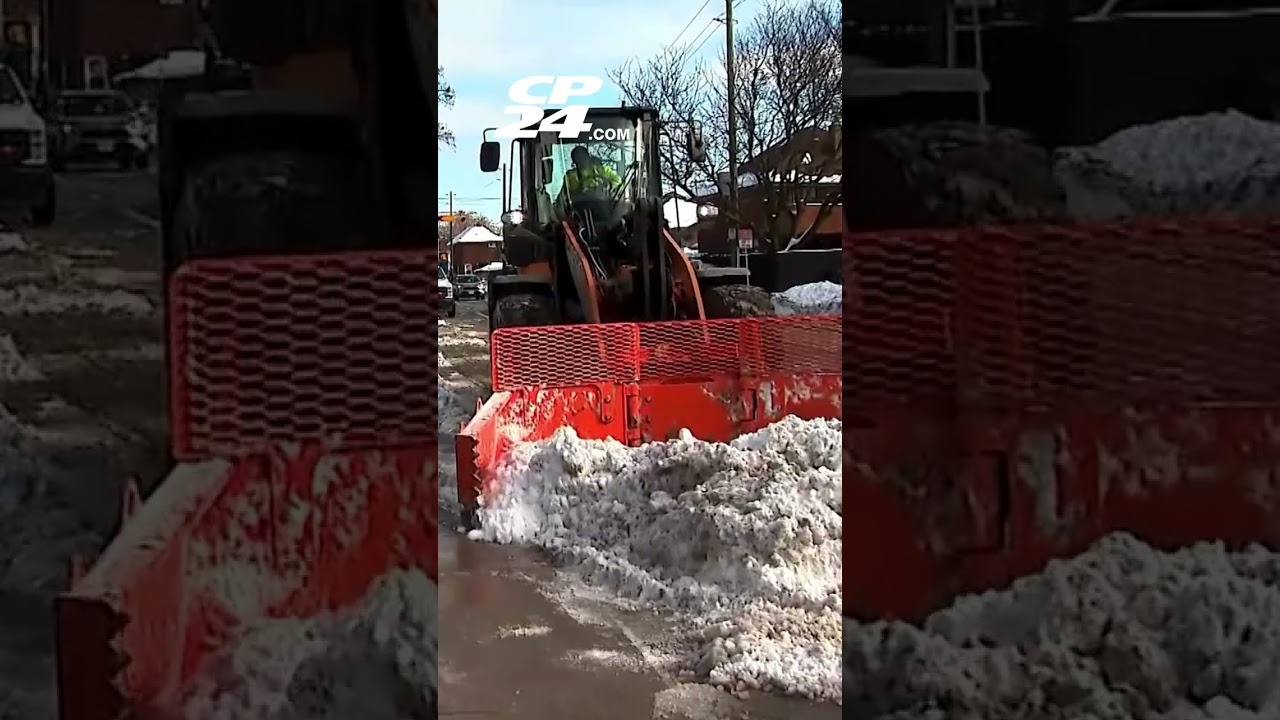
The major snowstorm declaration for Toronto concluded on January 25th at 5:00 p.m. However, this does not signal an end to the city’s snow removal efforts. Targeted snow removal operations are ongoing, reflecting an understanding that even as storm declarations lapse, the community’s infrastructure remains vulnerable to winter conditions. The aftermath of such storms often leaves streets congested with snow, necessitating continued vigilance from both city officials and drivers.
The substantial ticketing data serves as a stark reminder to residents about the importance of following parking regulations during adverse weather conditions. Those who find themselves ticketed typically express frustration, often arguing that they were not aware of the restrictions. However, the city’s communication regarding snow routes has included clear notifications and indicators, aimed at keeping motorists informed. Digital signage and public announcements frequently remind residents of impending storms and the necessary precautions that must be taken.
In a city like Toronto, where the population is consistently engaged in commuting—whether for work, education, or leisure—the implications of ignoring snow route regulations extend beyond individual inconveniences. Clogged streets can hinder emergency response vehicles, complicate public transit schedules, and exacerbate the overall chaos caused by winter storms. Thus, the collective responsibility of adhering to parking regulations cannot be overstated.
Despite the financial implications of these infractions, there remains an undercurrent of discourse around the city’s parking enforcement methods. Some advocates argue for increased public education about parking laws during winter conditions. They suggest that proactive measures, such as community outreach or social media campaigns, could play a role in reducing violations. This would not only save residents potential fines but also contribute to smoother operations during the winter months.
Consequently, it falls upon both the authorities and the community to collaborate in finding a solution that balances enforcement with education. While fines may deter some, a well-informed public may help mitigate the number of violations significantly. In future snow seasons, striving for enhanced communication and community engagement can pave the way for more effective management of snow route parking.
As Toronto continues to navigate its urban complexities amidst winter challenges, the aftermath of January’s snowfall serves as a cautious reminder. The city remains resilient in its efforts, reinforcing the message that compliance with municipal regulations is essential for maintaining safe and functional roadways during the harshest months of the year. With adaptive strategies, collaboration, and education, Toronto can foster a more responsible approach to winter parking and, in turn, uphold public safety and efficiency.